
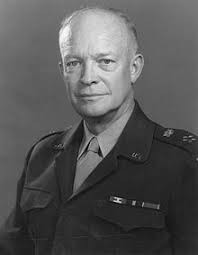
In 1952, Dwight D. Eisenhower stood before a group of World War II veterans. Suddenly, he stopped addressing them. His voice broke and his eyes filled with tears. The man who had led D-Day began to cry.
Eight years earlier, Eisenhower had been responsible for the largest military invasion in history. On June 6, 1944, he sent more than 150,000 Allied troops to the beaches of Normandy. He knew that many of them would not return. He had written a letter in which he took full responsibility should the operation fail.
The invasion was a success, but at a devastating cost. Thousands of men were killed or severely wounded that day. Eisenhower never forgot that the victory had been achieved by ordinary men who had paid an extraordinarily high price.
In 1952, he addressed the veterans and spoke about D-Day. The memories overwhelmed him. He spoke of the young soldiers he had ordered into battle. Ordinary boys, from the countryside and from the factories, teenagers who had entrusted their lives to him.
Eisenhower paused and tried to continue. But he could not. The men he was addressing did not interrupt him; they understood. Many of them had been there. They had seen the beaches. They had lost many friends. Seeing the Supreme Commander struggle with his emotions reminded them that the burden of responsibility did not end with the victory.
Eisenhower was often remembered as calm and composed. But in that moment, the mask fell away. What remained was a man who had carried the weight of the cost of war for years. Leadership is often associated with strength without emotion. That day proved the opposite.
Even the man who won the war had never stopped mourning those who had paid for it with their lives.
(source – The Untold Past)